Being Bigger Than Your Boyfriend

Image result for big girl get on top if he dies he dies
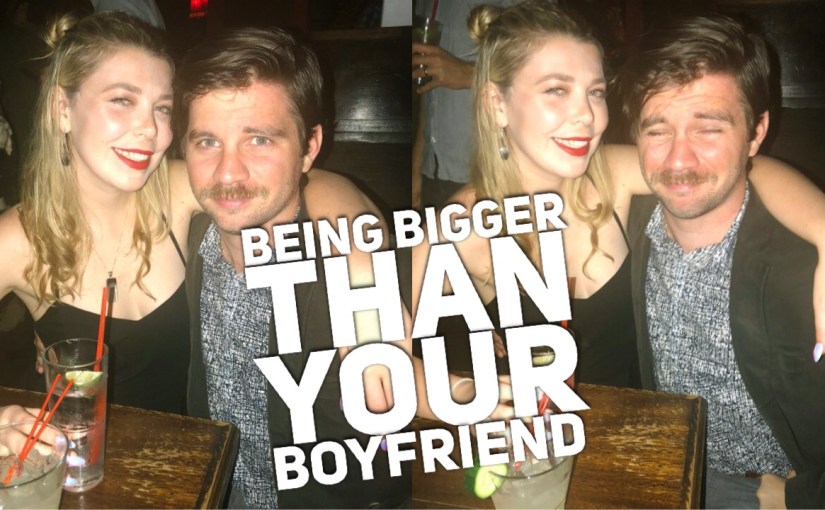
Do you feel self-conscious about being with a partner that is smaller than you?

You’re not alone.

I think a lot of people feel this particular insecurity. One of the many many factors that went into me wanting to lose weight so long ago was feeling uncomfortable about weighing significantly more than my ex. That was very dumb because the weight loss and subsequent eating disorder put a way bigger strain on our relationship than my insecurity ever did.

There is this common heterosexual relationship myth that the female should be smaller than the male. But like, why? Seriously, why? I have always been attracted to people who are smaller than me in some way. I can’t help who I like. My mom is taller than my dad and they’ve been married for over 30 years.

Image may contain: 2 people
My mom and dad ~ 1984

The feeling that you need to be smaller than your partner is one of those things that’s been pounded into our head over and over from the media and our culture. It’s silly though because if we limited the people we were allowed to love by certain classifications like race, gender, or size than we would miss out on the opportunity to be with incredible people who may have the power to love, shape, and change us forever.

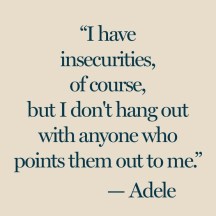
If you’re worried about what other people are thinking about the two of you than you’re not thinking about your relationship the right way. If you’re truly in love or on your way to being in love than who the fuck cares what others think? You only need to seek validation from yourself and your partner. But mostly yourself.

Image may contain: 3 people, people standing and indoor

Maybe you’re in a relationship with someone smaller and you are feeling a little uncomfortable or self-conscious in front of them. I get that. I have been guilty of covering my stomach, avoiding being on top, and other stupid shit like that. What I came to realize eventually is that my partner is not blind or dumb. They know what I look like and they chose to be with me NOT in spite of but likely because of it. It’s not that you’re someone’s fetish – because you are so much more than that.  Your body is unique and beautiful, and your partner chose to be with you because they love you and everything you got going on.  If you feel self conscious in front of them then to me that feels like you don’t fully trust them yet. You know what might help with that? Talking to them about it.

If you think you’re too heavy or gaining too much weight and that you’re partner won’t love you because of it – listen to me, it’s all in your head. If your partner didn’t want to be with you they wouldn’t. We’re all human we have free will. Any insecurity you feel comes from within. Take time to work on your self esteem and body positivity and realize that your partner is LUCKY to be able to touch your soft skin and beautiful body.


tumblr_mhdkafSWTC1rwsmexo1_1280.jpg
*IF A PARTNER EVER MAKES YOU FEEL SELF CONSCIOUS IN A NEGATIVE WAY OR VERBALLY ABUSES YOU ABOUT YOUR WEIGHT, LOOKS, OR ANYTHING ELSE – GTFO GIRL. Life is too damn short for that bullshit and there are plenty of other people who aren’t asshats out there for you.


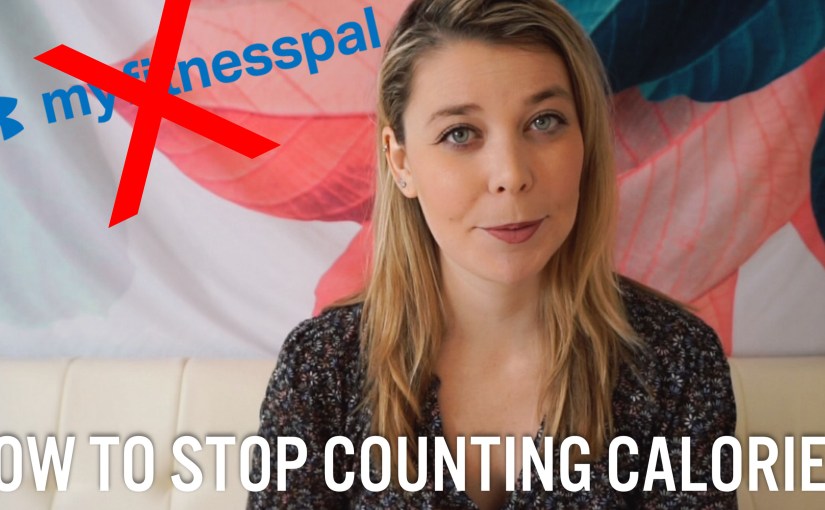
How To Stop Counting Calories

There was a point in my life where I figured I would just be stuck counting calories forever, resigned to a life of sadness and disordered behavior.  However, this proved to be untrue as I transitioned from a religious calorie counter to an intuitive eater – and you can too.

When you stop counting calories, you start enjoying and experiencing your food for its texture and flavor instead of as just a number.  Eating becomes pleasurable when you aren’t constantly measuring, calculating, tracking, and obsessing over the food on your plate.  You’ll open up space in your brain to focus on things that actually matter.  You’ll be able to start eating intuitively by creating a stronger relationship to your body’s cravings and the food you eat.  Obsession with food will fall by the wayside.

The truth is, no matter how accurate you think your calculations are using your BMI, TDEE, BMR, etc. to calculate the right amount of calories for you – there is no way to truly know as every single body is different.  More to the point, without going crazy it is completely impossible to accurately know the calories of every food you eat.  Remember, all a calorie is is a unit of energy and our bodies NEED energy to live.  So here are some tips to stop counting calories forever.

GET RID OF CALORIE TRACKERS
This is a big one. I tracked all of my calories on “My Fitness Pal” but there are many others like it.  Cronometer, Lose It, Fat Secret, etc.  These apps were built to count calories so the best first step for a life without this burden is to get rid of them!  If you aren’t using an app than get rid of whatever device you use to track the numbers.  A notebook, planner, journal, or word document.  Delete it, burn it, or have a friend drive 20 miles away and throw it in a dumpster.  Getting that out of your life is a crucial first step.

GO OUT TO EAT AT RESTAURANTS
Most restaurants are impossible to gauge to calories for because you don’t know everything that goes into the food preparation. It helps to make sure you are with a friend or family member that can keep you distracted from trying to break down and calculate the meal components.  If you are financially incapable of dining out, that’s alright – just have a friend or family member cook a meal for you without telling you what is in it.  This is essentially the same concept.  You are looking to let go of the tightly wound control you have to maintain while counting calories by letting go of the control over food prep.

BLOCK OUT NUTRITION LABELS
Take a sharpie and cover them up so that you can’t look at them obsessively. Go grocery shopping in bulk bins or for items that don’t have nutrition labels on them at local shops of farmers markets.  Pick food for flavor and not for numbers.

HAVE FAITH YOURSELF TO EAT INTUITIVELY, BUT BE PATIENT
We are all born knowing how to eat. Your body knows what it needs and it is not trying to sabotage you.  It loves you and want to keep you alive, return the favor to it.  Eating intuitively takes practice but it is completely achievable for all of us since it is the way we are supposed to eat.  Remember that it will take time as well because you are breaking a very bad habit – and habits are not broken overnight.

If any of these steps seem impossible or overwhelming than feel free to take it slow.  I know how daunting and unreasonable these may seem – but if you implement these tactics into just one meal a day at first, and then slowly increase, you will eventually get there.  Take it from a girl who used to count the calories in gum – you can do this!


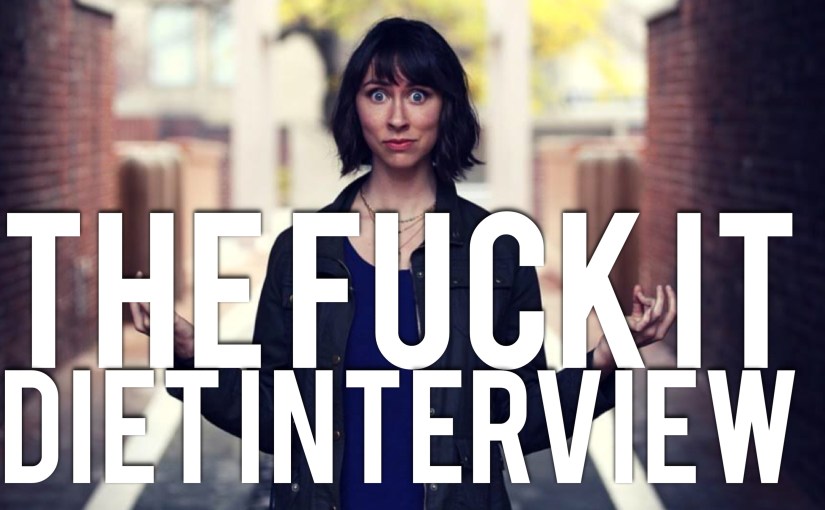
Interview With Caroline Dooner – Creator of The Fuck It Diet

Untitled-design-12Recently I had the absolute pleasure of connecting with Caroline Dooner.  Caroline is the creator of The Fuck It Diet, which teaches radical normal eating to chronic dieters. She also teaches intuition and advocates hardcore for #rest. You can follow her on instagram, and get her free intro course, “Eating Should Be Easy” over on The Fuck It Diet.

When I was going through my own recovery I stumbled upon her website and it felt as if her words were speaking directly to me.  Caroline has been through the ringer of diet culture and found a way out that I strived to emulate.  Her writing and philosophies on making eating simple were such powerful sources of inspiration for me and many others trapped in diet culture.  Today she continues to help people through her blog, podcasts, and e-books.  She believes that eating should be easy because, fuck it, it’s just food right?

I was delighted when she agreed to answer some of my burning questions and it was wonderful to be able to get her seasoned perspective.

RR: Why the name “The Fuck It Diet”?

CD: It’s how I felt when I finally realized that dieting was backfiring and doing the opposite of what I have always hoped it would. It’s how I felt after being on diet after diet, hoping that the next one would finally heal my food addiction. It is the true exasperation of realizing it’s never going to work.

RR: What was the life event that inspired you to start the site?

CD: I had been dieting obsessively for 10 years. You could call it an eating disorder, or you could just call it obsessive dieting, there is a big overlap for lots of people anyway. But I was Paleo, and bingeing on all the paleo treats I could get my hands on, and finally started hearing whispers in the Paleo community, that not eating enough carbs will hurt your metabolism, and wreck your hormones, and make you more insulin resistant, which had been the thing I was trying to heal.

But the event/moment that spawned it, was my 24th birthday. I binged on squash pancakes and low sugar almond flour cupcakes, and had a legitimate epiphany. I can’t do this anymore. This is going to keep happening over and over and over, until I step out of this cycle, learn to eat normally, and heal my relationship to weight.

 I had tried to heal my eating many times before, going on stints of intuitive eating, or something similar. But it was never truly the cure, because I was still trying to eat the smallest amount possible, and still petrified of gaining weight. The Fuck It Diet was different.

RR: How long did it take for you to heal your relationship with food? 

CD: It was a process that evolved over the first few years of my no-holds-barred eating, and my work on deeper and deeper body acceptance. But I would say that between 6 months to a year is where I noticed a big shift.

Even still, just over the course of eating a certain food for a week would change my relationship with that certain food. So there were small victories, and then bigger shifts that happened over time.

RR: In your opinion, what you think the most negative impact of diet culture is?

CD: It’s really hard to choose just one, but diet culture puts you at odds with your body. The way you trust it, and your appetite, and your weight. It makes you totally out of touch with your own wisdom, intuition, cravings. And ruins your health and self-esteem.

RR: Do you think that diet culture is responsible for the rising rate of eating disorders?

CD: Hell to the yes.

RR: Your blog and podcast focuses a lot on spiritual healing – do you think it’s harder to recover if you aren’t spiritual?

CD: Ah yes, it’s such a good question. I have always been seeking guidance, or peace, or help, or knowledge on a spiritual level. And I know that is why and how TFID revealed itself to me. But there are some pretty basic facts and truths, like the biological and metabolic reaction to restriction. Even energetic principals aren’t necessarily “spiritual”. And I am expressly anti-dogma of any kind, diet dogma, spiritual dogma, or otherwise.

Trust in a bigger picture, and a bigger purpose than just being tiny and beautiful will certainly be a big help, but short answer: no. You don’t have to be spiritual to recover.

(pssst. she has a great podcast about this topic here)

RR: What would you say to girls who are afraid of this mindset because of their fear of getting “fat”?

CD: That this is what those businesses want you to fear. That that is just this heartbreaking thing that we have been perpetuating, and it’s so destructive and toxic. And I understand, I was the same way for years. Fat was the last thing I would ever accept being. It’s also because we have so many beliefs about what being fat means. But it’s just so misguided. What’s that JK Rowling quote? “is ‘fat’ really the worst thing a human being can be? Is ‘fat’ worse than ‘vindictive’, ‘jealous’, ‘shallow’, ‘vain’, ‘boring’ or ‘cruel’?”

RR: What is your most important tip to successfully practice intuitive eating?

CD: Do not get caught in the trap of believing you need to be eating the smallest amount possible. That’s a diet. We need to actually feed ourselves.

RR: What has been the most inspiring recovery story you’ve witnessed/had a hand in?

CD: It’s honestly too hard to choose, but in general, my favorite kind of story, and this happens again and again, is that healing from food and weight obsession, opens up a confidence and creative spark that allows people to really trust their own genius, go against the grain, choose a life that people might not understand. It let’s people really listen to their true desires.

RR: What is your number one piece of advice to someone struggling to recover/normalize their relationship with food?

CD: Do not discount how interconnected our relationship with weight is with our relationship with food. You cannot heal the one without the other.

RR: And finally, just for fun – what’s your favorite food?

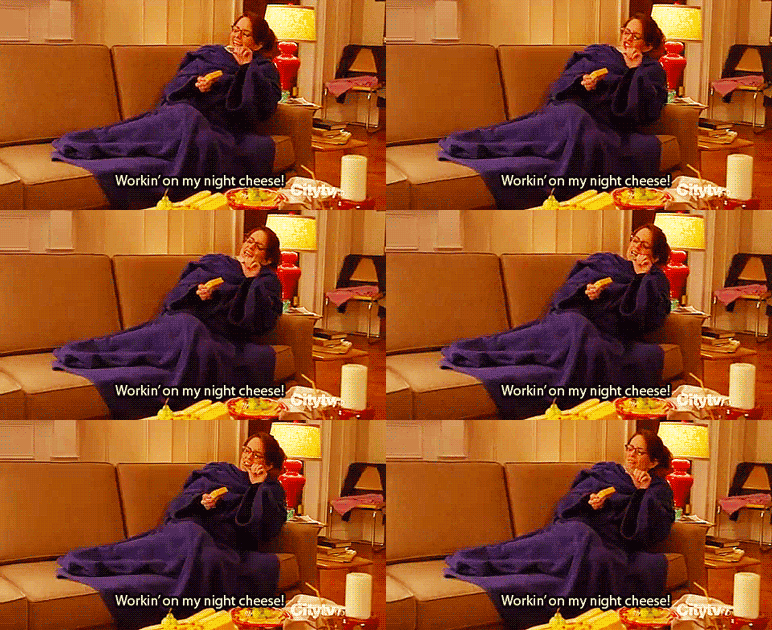
CD: My favorite food is cheese. No contest.
giphy

Huge thanks to Caroline for giving me the opportunity to pick her brain.  It meant a lot for me to be able to have this opportunity considering how incredibly helpful I found The Fuck It Diet and everything she put into it while I was struggling to recover.  If you’ve never heard of The Fuck It Diet – it’s about time you checked it out!

New to Ladle by Ladle?

Check out my Youtube channel where I make new videos about recovery, recipes, and intuitive eating: Ladle By Ladle

SOCIAL:
Instagram – @ladlebyladle
Facebook – facebook.com/ladlebyladle
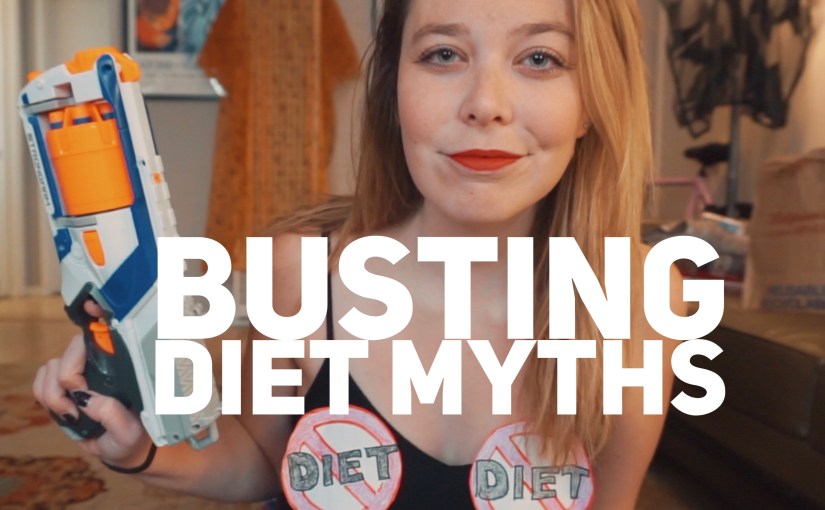
Diet Myths Busted!

Diets rarely work, they’re based on information perpetuated by companies that are interested in selling products and don’t have the interest of the actual consumer in mind.  Diet culture has taken over our society and it is a harmful trigger to many eating disorders, especially orthorexia.  Here we will take 5 popular diet myths that have gained popularity and begin to understand why they’re wrong… and bust them! (if you’re confused why I’m saying “busted” instead of “debunked” then take a peek at the video above..)

Cutting carbs helps you lose weight – Newsflash! Your body uses carbs as its main source of energy! When you cut out carbs the myth proclaims that your body will burn fat stores as energy but the truth is it burns muscle tissue.  When your body starts breaking down this lean muscle your metabolism slows down because muscle keeps your metabolism up.  There’s a lot of health risks involved in cutting carbs out of your intake.  Also low carb diets are just a fad diet, meaning the second you lose the ridiculous amount of self control it takes to keep them up all of the weight will come piling back – especially since your metabolism was lowered in the process.

Eating fat can make you fat – This has got to be one of the most bullshit diet myths out there.  And it was all conceived so that food companies could make more money by selling low fat processed versions of their products.  The truth is that healthy fats can help prevent and reverse heart disease, shut off cravings, and speed up your metabolism. In fact if losing weight is what you are aiming to do, eating fats regularly in your diet while eating intuitively has proved to make you feel full faster and for longer thus leading to less overall consumption of calories naturally without intentional restriction. Plus fat adds flavor and enjoyment to life and that’s what’s important.

Eating after 8 is bad –Apparently the reasoning behind this particular myth is that if you eat too close to bed time then your body won’t have the time to burn off the energy by moving around during the day.  Here’s the thing though, your body uses the calories you consume whether you are moving or sleeping.  Even while you’re sleeping (actually especially while you are sleeping) your metabolism is resetting all of your bodies systems and pushing you through REM sleep – it needs energy to do all of that and ensure you get a good nights sleep.  Also, Is your body a business?  Does it have closing hours?  Hell no – if you are hungry after 8 then EAT – it’s always better to honor your body’s cravings in an effort to eat intuitively then it is to ignore the natural signals your body is sending you.

Only eat once you’re hungry – Why wait until you are miserable and hungry to eat?   Why ever put yourself in this state when you could just keep yourself satiated all day long? If you eat breakfast, lunch, snacks, and dinner on a regular schedule and each meal or snack before you become starved then you’ll always be satisfied and never miserable.  From a weight loss perspective this is ideal because when you are hungry then you are more likely to binge on food out of starvation, whereas if you eat regularly the urge to overeat is less likely to come up.

 Losing weight is all about willpower – This myth perpetuates yet another myth that not-thin people are lazy or lack self control which extends into the real world thin privileged society we all live in.  There are so many more factors than just “willpower” that factor into every individuals ability to lose weight whether those are genetic, environmental, hormonal, etc.  Plus, some people aren’t meant to be rail thin and their metabolism protects them from that.  There is so much more to losing weight healthily than just self control or willpower.

Recovering From a Binge

Binge eating, the uncontrollable impulse to eat mass quantities of food despite any feelings of hunger or fullness.  Most people entrenched in diet culture can empathize with the terrible feeling that comes in the aftermath of a binge.  Whether they are suffering from BED, bulimia, or are just experiencing the effects of fad/yo-yo dieting, a binge is one of the most common disordered relationships with food.  Binge eating typically stems from an emotional attachment to food as a source of comfort followed shortly by feelings of guilt.  Many people who have binge eating episodes engage in dangerous purging behaviors such as throwing up or laxative abuse to regain an “empty” feeling.  These binge/purge cycles often seen in bulimic individuals are physically dangerous.

Personally, when recovering from anorexia I had several binge eating episodes.  The only way I can describe my own experience is that it was like my brain turned off and all I could focus on was the food.  I was in a blind effort to eat as much food as I could find and fit inside of me.  After consuming thousands of calories in just 20 minutes I would then cry and feel terrible and guilty.  While I was supposed to be eating a lot for my recovery, the binges were still not the normal relationship with food I actually needed.

giphy

Here is my quick guide for recovering immediately after a binge eating episode.  This process is what eventually allowed me to begin overcoming binge eating:

  1. Do not be hard on yourself about the binge – One of the worst parts of any binge is the abrupt feelings of overwhelming guilt that bubble up. These feelings are what lead to the continuation of dangerous behaviors such as purging.  The purging then eventually leads to more binging and the cycle is continuously perpetuated.  After you have a binge, recognize your feelings of shame or disappointment as temporary.  Remind yourself that what happened has happened and the best thing you can do for yourself is be kind and forgive yourself for the binge.  Regularly practicing this internal dialog will help stop binges from happening again.  Remind yourself over and over again that you have worth, that this misstep does not define you, that you are going to be completely fine. They key is to identify and replace the feelings of guilt with feelings of forgiveness.
  2. Distract yourself – After quickly having a loving reconciliation with yourself, quickly distract yourself before you can backtrack on the positive internal dialog. Put on a movie, go for a walk, paint your nails, take a shower, call a friend, do anything that takes your mind off of the binge that just happened.  The more time you take to separate yourself from the episode, the better you will begin to feel.  My go to way to distract myself was to brush my teeth and call a relative (almost always my dad) to catch up.  If you decide to exercise to distract yourself remember to take it easy.  Do not use exercise as a way to punish yourself.  Keep it simple with a light walk or calming yoga.
  3. Do not restrict your food – This might be the most important tip here. After your binge, when you have hopefully successfully identified and replaced the negative emotions, forgiven yourself, and then distracted yourself for a while to keep your mind off of it, CONTINUE TO EAT NORMALLY FOR THE REST OF THE DAY.  You may be less hungry naturally, but if you binge mid day you still need to eat dinner and if you binge at midnight you still need breakfast!  Restricting your intake to compensate for the binge will only put you back in a cycle where another binge becomes possible.
    tumblr_mv06gngkXJ1rca9l9o1_500

Binge eating is complicated, the reasons behind a binge are multifaceted and unique to everyone.  Often therapy can help with BED, bulimia, or just mending a very bad relationship with food.  However, there are a few things to remember to do to help yourself outside of seeking professional treatment.  Binges can be physiological and/or emotional.  The best ways to prevent them is by protecting yourself from both.

The first step is practicing consistent self care.  Treating yourself with love and respect will nurture a positive connection between yourself and your body which is an important step in repairing a damaged relationship with food.  Keeping a daily journal to write down feelings of gratitude and affirmations is a good first step.  It can often feel silly and awkward at first but eventually you will begin to notice the permanent changes it brings to your overall mindset.  While recovering, I wrote all over every mirror of my room positive quotes and self esteem boosting mottos.  Make sure you look upon yourself with love, and treat yourself to nice things whether it’s manicures, bike rides, or long colorful bubble baths.  Remind yourself that your body is merely a vessel for the beautiful soul underneath.

The next step is stop dieting.  Stop restricting.  Diets don’t work, they encourage an abundance/scarcity mentality which upsets your brain and your metabolism.  Practice eating intuitively.  There are many resources available that teach this way of thinking.  The way I achieved it was by eating my minimum 3500 calories to gain weight, reset my metabolism, and shift my perspective on restriction.  Eventually, when the mentality of restriction began fading away the urge to binge left too.

Binge eating is not a solitary experience, many people go through it every day.   You are not alone.  With a determination to make a change and by practicing self love and no restrictions, binge eating is something you can recover from.

Resources used:
https://www.recoverywarriors.com/ten-tips-recover-binge-emotional-eating/

http://www.webmd.com/mental-health/eating-disorders/binge-eating-disorder/binge-eating-disorder-medref#1

https://www.nationaleatingdisorders.org/binge-eating-disorder