
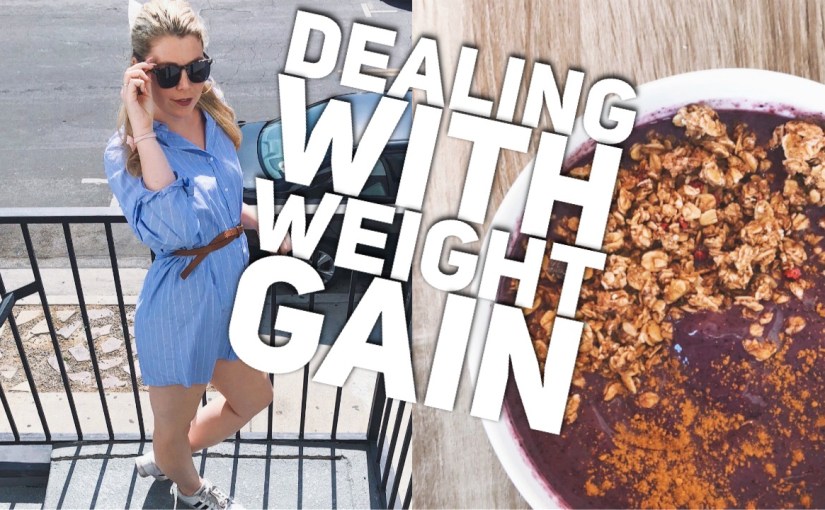
What is your healthy weight?
I talk a lot about set point weight vs. minimum “healthy” weight (if you’re new here or have no idea wtf I’m talking about check out this post) but today I wanted to get into the difference between them. I will also touch on a few tips for dealing with the weight gain that comes with recovery and finding your set point.
Your lowest “healthy” weight is the minimum weight that is healthy for your body according to the bullshit BMI scale. A BMI of around 20 for example (but just a reminder, BMI is bullshit, I can’t say that enough). Your set point weight is the weight that your body maintains happily without any interference. It is the weight that your body likes to be when you are just living your life, eating freely and intuitively, and only exercising in the form of activities you love to do or not at all. It’s possible these weights are the exact same, everyone is unique, but it isn’t likely. When weight restoring for any recovery from a disordered relationship to your body or food your set point is the only weight that will keep you happy for life.

When I was in quasi-recovery I was maintaining my minimum “healthy” weight through calorie counting and intense exercising. Way too much space in my brain was taken up by numbers and scales. I thought that this was just the way my life would be forever because there was no way I could be happier if I gained weight. At that point I had already gained a little bit of weight from my anorexic body and was not comfortable with the idea of gaining ANY more.
Then one day it clicked and I began my journey towards my set point, but gaining weight was hard. It was not rainbow and sunshine. Here are some tips from my personal experience:
- Buy flowy clothes – loose dresses, leggings, big t-shirts, track pants. As you gain weight you will not only put on weight you will also retain water, experience swelling, and possibly overshoot. Feeling your body change and expand in clothes can be very triggering. It’s best to avoid it altogether. No more jeans or bodycon dresses for awhile (and you’re welcome btw, no one likes wearing that shit anyway!)
- Avoid mirrors, avoid scales – any form of body checking is futile and can be a quick trigger into a relapse. I covered my full length mirror and only used a small mirror for makeup. Despite that, there were days when I caught a glance of my reflection and thought a big fat ugly monster was staring back at me, but that monster was just me. After I finally settled into my set point I realized how distorted my own view of myself was while I was gaining weight.
- Be consistent with a counselor. Nothing is as helpful as stable accountability and someone to be honest about reality with you as your brain tries to fuck with you about your body and weight.
- Tell your friends and family so that they know exactly what’s going on. Sometimes people are afraid to recover or gain weight on their own because they are worried what others will think. You should never compromise your health for the opinions of others, but if you tell your friends and family then they will be aware and you don’t have to feel any shame around them.
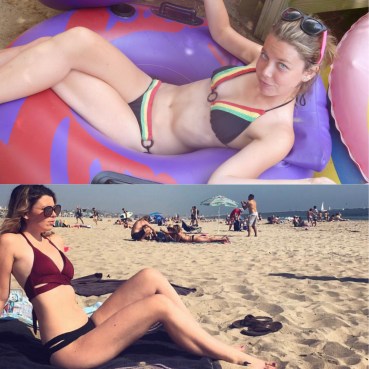
It took me about a year to find my set point. Now that I’ve been at this weight for over two years I am never looking back. I’m at a weight that I once thought would be impossible for me to ever love myself at. But I love myself more at this weight than I have at any other point in my life. I can eat whatever the fuck I want, I only workout when I feel like it, and I can just be me and live my life. I don’t have to stress about my weight because I am right where my metabolism and body wants to be at. That freedom is the difference between surviving to maintain your minimum “healthy” weight and thriving at your set point. It takes time and patience with yourself, but it is worth it.
 ladle-by-ladle.com