
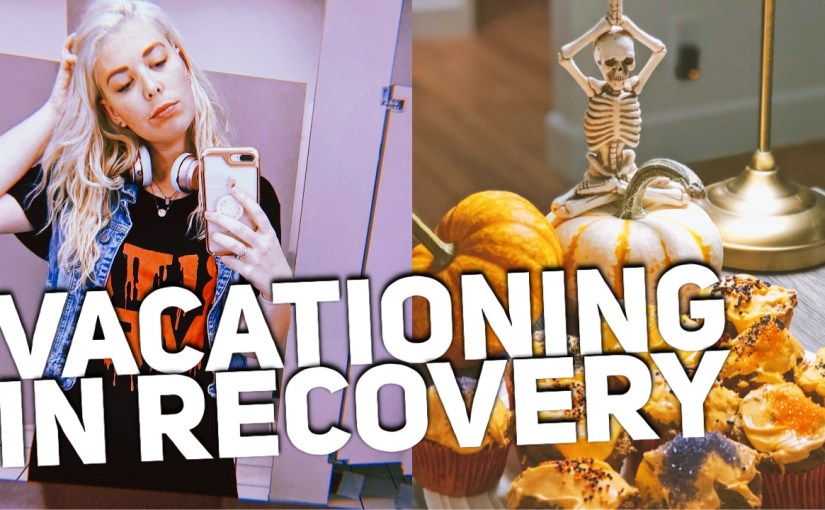

I just took a little 2-day trip to New Orleans for a friend’s birthday and while my brain and body slowly phase out of vacation mode and being drunk for 48 straight hours I thought it would be a great idea to write about how to handle vacations while in recovery from an eating disorder.
Vacation is of course meant to be a fun and relaxing or inspiring time spent away enjoying a new place with yourself or friends or family. However, I know that for people still struggling with their disorder or in recovery from it, vacation can be a lot more complicated than that.
When I was sick I would flat out opt out of fun trips just because of my food and exercise anxiety. When I was in quasi recovery I would go on trips but there would be days and weeks of research and stress beforehand. Each meal was a challenge, every day of rest was torture, and looking back I remember more 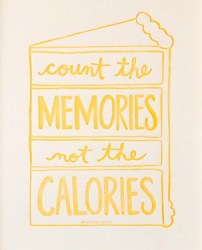 mental stress than any enjoyment from those trips. After each trip there would be a few weeks of lowering my intake and upping my exercise to “make up” for some of my more indulgent meals. When I went into full recovery life became so much easier. Yes I was eating extreme amounts of food, gaining weight rapidly, and feeling constantly bloated and uncomfortable – but these temporary stresses and feelings allowed me to be able to eat whatever I wanted with no minimum or judgement. Therefor I was actually able to go places and have fun and focus on the trip itself because there was no need to overthink food or exercise.
So for those of you who are still working through some things, here are a few tips for you on vacation:
- NO COMPARISON: You don’t want to ruin your trip by making comparisons that will only serve to make your eating disorder stronger. If you are feeling awkward, remember that people don’t really care what you are doing. They are more interested in what they are doing. We’re all narcissists and the only person who is judging you is yourself. So stop that.

- Keep Your Food Expectations Realistic: The food is gonna be different than you’re used to. It’s gonna give you a “fear food” kind of reaction most likely. Most trips include eating out a lot and if you’re me, drinking a ton. Your eating won’t be perfect. It’s not supposed to be. There is literally no such thing as perfect eating anyway. Go into the trip knowing that you can’t control everything and be openminded.
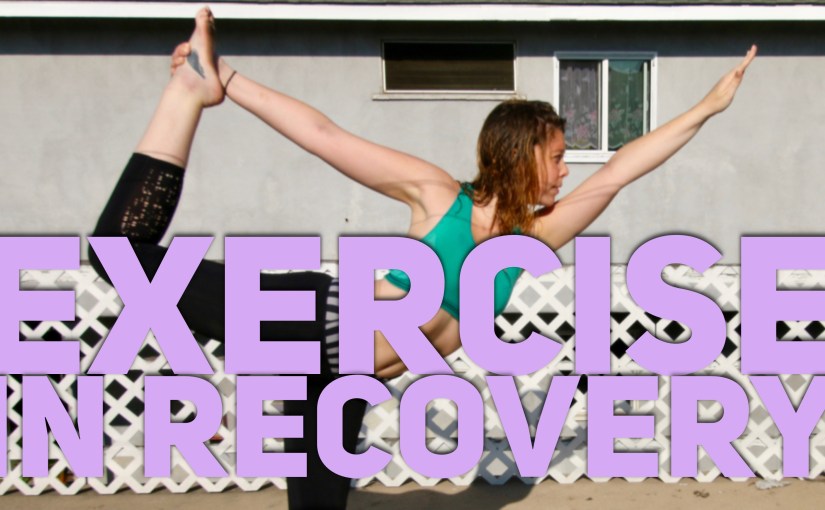
- Change Your Exercise Expectations: You shouldn’t be exercising anyway but if you’re going on a trip that involves a lot of walking (around museums or whatever) just realize that you are going to be a lot hungrier as a result of the extra calories you’ll naturally burn. Be ready for it and allow yourself to eat yummy delicious local food!
Okay… now let’s talk about getting home after vacation. Typically people with active EDs will feel strong urges to engage in compensatory behaviors. Compensatory behaviors are simply activities done in an attempt to make up for having been “indulgent”. They are an attempt to erase shame, anxiety, guilt or other “bad” feelings about the food eaten. This is of course very silly and unnecessary because there is nothing guilty or shameful about enjoying food and having fun. You do not need to reverse any “damage” because that’s not how your body works, It will regulate itself without you getting involved and f*cking sh*t up.
Some common behaviors are the misuse of laxatives, compulsive exercise, doing cleanses, fasting, or restricting calories for a period of time.
Here’s the thing – in ED recovery and then afterwards in life, you should begin to realize that your life is not a constant never ending game of calories in and out and that your body will be happiest when you’re just enjoying yourself. Going on vacation and perhaps overindulging is not “bad”, it is not shameful, it does not give you permission to starve yourself, hurt yourself, or be mean to yourself. It does you no good to make yourself feel bad about enjoying your life. By compensating after vacations you’re reinforcing the idea that your waistline is more important than your happiness. NO. Recovery means giving up that control, and loving yourself without judgement.
Listen, I just ate a ton greasy, yummy, fried and smothered southern food. I guzzled alcohol like a machine. I spent most of my trip sitting or lying down. Did I freak out the second I got home? Fuck no I went to Subway and got a bag of potato chips and a sub and put off packing in favor of binge watching Netflix in my bed. The next day life went on. I’m home. No weirdness, no guilt. Just great memories. As it should be.


 ladle-by-ladle.com