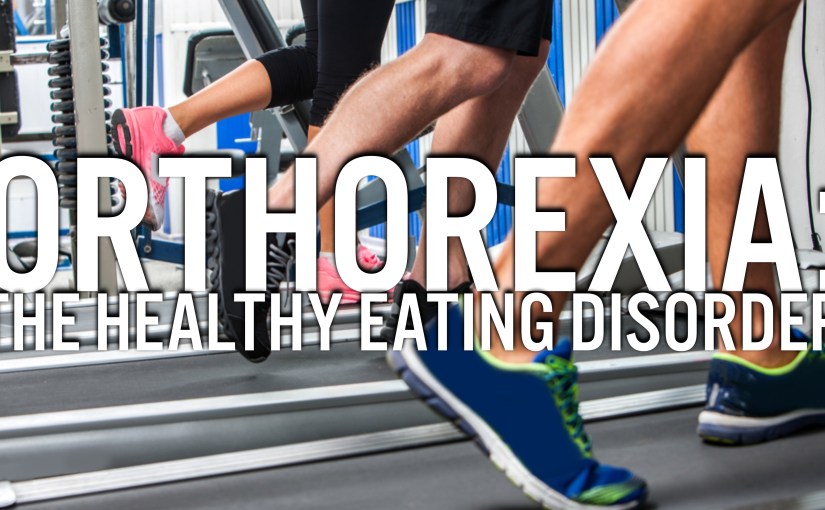
Let’s talk about orthorexia. Sometimes called the accidental eating disorder, orthorexia is ironically when a person becomes SO obsessed with a “healthy” diet and lifestyle that it actually becomes unhealthy. It is Human Makeover: Extreme Edition. It’s obsession under the guise of health. While someone who develops orthorexia might have started out with harmless intentions, they often end up in a very unhealthy place.

An orthorexic is often very concerned about the “purity” of their food. They are fixated by the oils used in restaurants and potential toxins in their food. They eat only a very small list of “acceptable” foods and are unable to eat food prepared by others. They will become completely fixated on the quality of food, how to eat it, and when to eat it. They will put themselves on strict eating regimens that most people could never stick to. They want to be better than others by proving their dietary superiority. If they have a slip up they will often self-punish with more exercise or less food. Ultimately their food choices are destructively restricted and their exercise routine becomes so aggressive that their health suffers.
Orthorexia is not technically an eating disorder according to the DSM-5, but let’s be clear folks, this IS an eating disorder. It was a phrase created by Dr. Steven Bratman in the late 90s. He had patients who were overly health obsessed to the point of being harmful to themselves. While it was not initially meant to be a diagnosis, over time he discovered that this term describes a very real eating disorder.
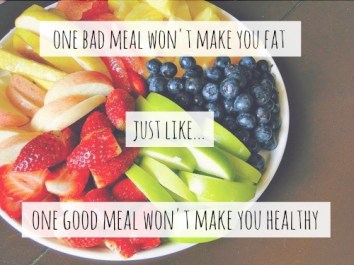
Of course there is a difference between orthorexia and a normal healthy lifestyle. The amount of stress and fixation that comes with orthorexia typifies the illness. A person leading a healthy life without obsession or fear is not sick in the same way an orthorexic is. While the line might be blurry orthorexics suffer from compulsive behaviors, preoccupations with optimal health, self-imposed anxiety, shame, and severe restrictions that escalate. Orthorexics might attempt cleanses or fasts in order to “detoxify” their bodies. While any disordered relationship with food is unhealthy, people can also suffer from nutritional deficits, self-inflicted social isolation, damaged relationships, and total loss of the ability to eat intuitively. The biggest problem of all is that orthorexia is tricky to recover from. We live in a society that idolizes healthy eating and thinness. In this environment an orthorexic may not realize that they have a problem and can stay disordered under the pretense of a healthy lifestyle.
So, if you think that any of this might apply to you… Start eating things that scare you, look at your attitude honestly, accept that you may not be the healthiest person in the world, and begin to re-learn how to love your body no matter what. Stop measuring your self-worth by your overly restrictive diet and exercise routine, and learn how to eat intuitively. Fill your body with joy and self-love and take a step back from unrealistic health goals that stop you from truly living a life worth living. A life full of strong and happy friendships and relationships, a life with junk food and salads, wine and smoothies, ice cream and vegetables, happiness and joy, and no self-hate. Orthorexia is an eating disorder to recover from – and recovery is worth it for you too.


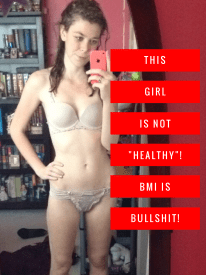 Here’s the thing about my eating disorder. For the majority of the time I was sick, I was never “technically” deemed underweight according to the BMI chart. An 18.5 or below is considered underweight and for the most part I hovered at 18.8. My ED begged me to eat less and less to stay below that arbitrary threshold. But while my hair was falling out, my bones were sticking out, my mental health was spiraling, and I was starving any doctor could have looked at me and told me that I was “ideal”! Let me tell you, I was not. Fortunately, now I don’t know my BMI and I honestly can’t even take the time to figure it out because I know that is a completely garbage number.
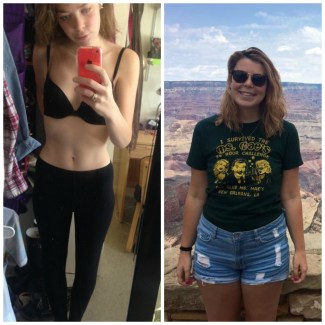 When I started writing my recipes I was newly discovering what life could be like again if I recovered from my eating disorder. I ended up abandoning the blog after a few months for bigger recovery goals like drinking, socializing, getting take out, and trying to forget about how difficult it once was to put a cookie down my throat. As I slowly recovered over the following year my fascination with food plummeted, as it should have, and maintaining a blog like this wasn’t good for my fragile newly recovered psyche.
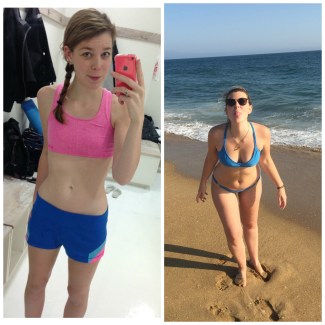 I continued to use the power of the internet (coupled with external support) to conquer my illness and get myself into a full and robust remission from anorexia. The process was tough and challenging, and perhaps even more difficult than being sick was because I was fighting against the voice in my head instead of succumbing to it. However, I powered through and I am so grateful for the life I get to lead today because of it.
 ladle-by-ladle.com